
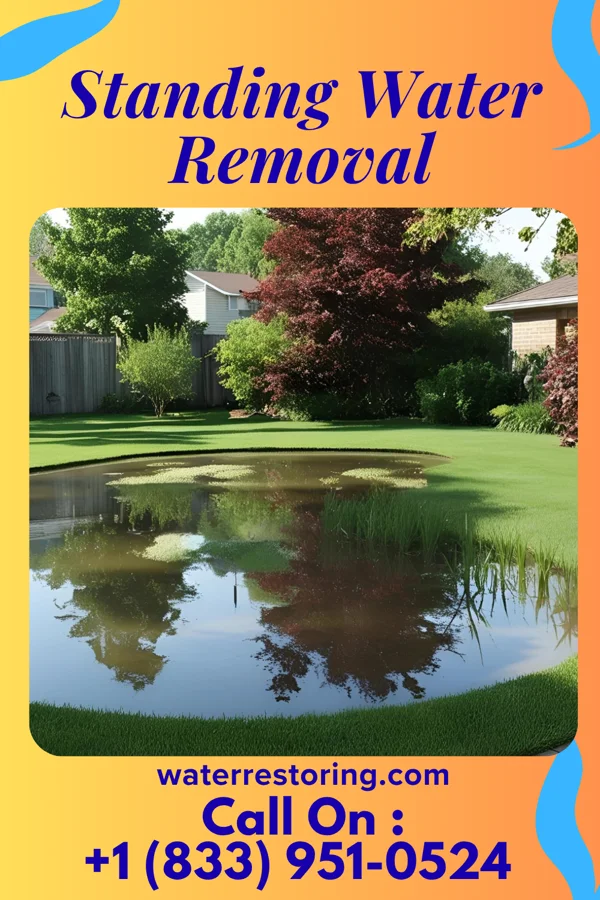
When Thornville Properties Need Standing Water Removal
Water damage in Thornville usually starts with In Thornville, Ohio, primary water damage often stems from residential plumbing failures, such as burst pipes and leaking water heaters, which are common in older homes. Additionally, heavy rainfall during spring and early summer can lead to basement flooding due to poor drainage systems in rural areas.. A close second is Secondary causes include sewer backups from overwhelmed municipal systems and groundwater seepage into basements, especially during periods of prolonged rain. Poorly maintained sump pumps can also contribute to water intrusion in homes.. Professional restoration follows the IICRC protocol on every job. Assess. Extract. Dry. Sanitize. Document.
Thornville's rural setting and proximity to the Ohio River make it susceptible to seasonal flooding and groundwater issues. The area experiences moderate rainfall, which can lead to localized water accumulation in low-lying areas.
Water damage in Thornville follows a few local patterns. In Thornville, Ohio, primary water damage often stems from residential plumbing failures, such as burst pipes and leaking water heaters, which are common in older homes. Additionally, heavy rainfall during spring and early summer can lead to basement flooding due to poor drainage systems in rural areas. accounts for the bulk of our calls. Thornville's rural setting and proximity to the Ohio River make it susceptible to seasonal flooding and groundwater issues. The area experiences moderate rainfall, which can lead to localized water accumulation in low-lying areas. Mold growth in Thornville can quickly become a serious health concern due to the high humidity levels and frequent moisture exposure in older homes. Prompt action is critical to prevent long-term damage and health risks.